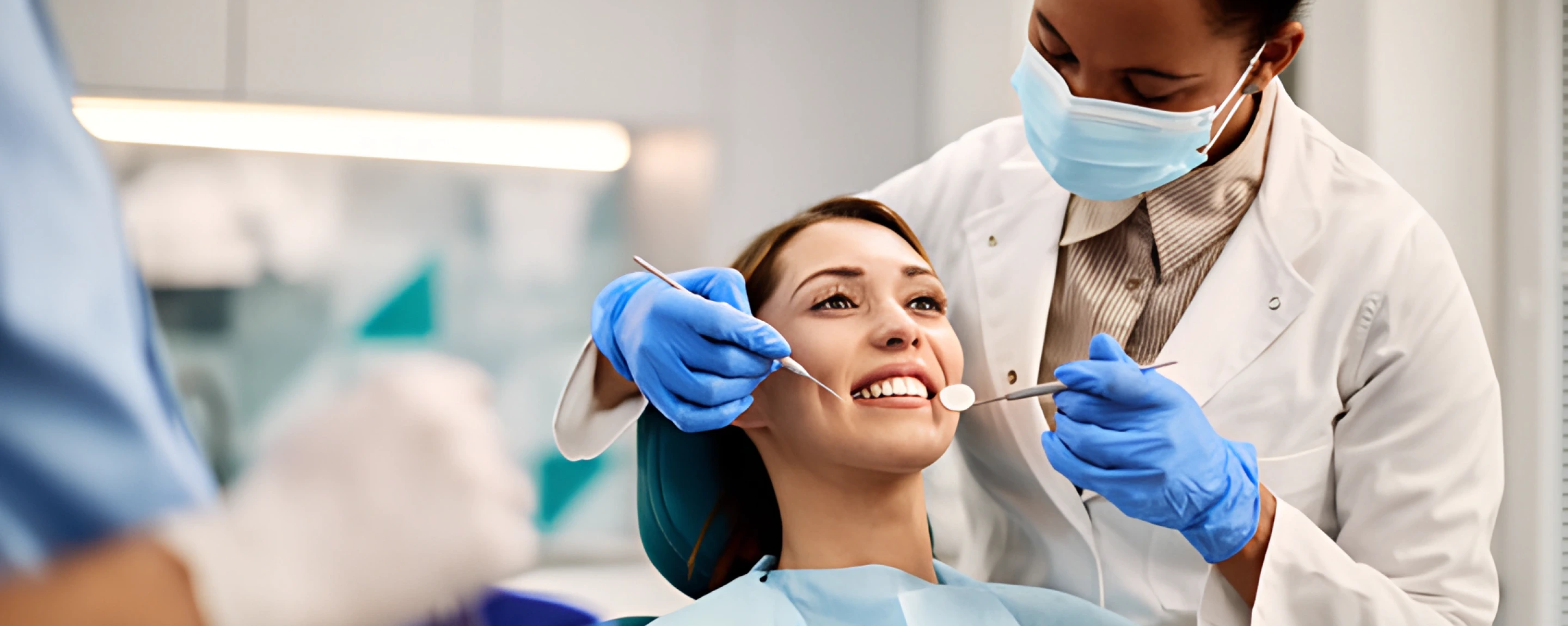
Dry Mouth Treatment in Westminster

Feeling dry in your mouth all the time can be frustrating — and sometimes even painful. If you’re reaching for water all day, struggling to swallow or speak comfortably, or waking up with a sticky, dry mouth, you may have dry mouth, also known as xerostomia. At New Season Dental, we offer personalized dry mouth treatment in Westminster to relieve symptoms, restore comfort, and protect your long-term oral health.

Book AppointmentCall Now

What Is Dry Mouth?

Dry mouth, or xerostomia, occurs when your salivary glands don’t produce enough saliva to keep your mouth wet and comfortable. Saliva plays a big role in a healthy mouth — it washes away food particles, helps you chew and swallow, and even protects your teeth from tooth decay and gum disease.

When saliva production slows down, your mouth can become dry, sticky, and irritated. It might seem like a small issue at first, but over time, chronic dry mouth can lead to big problems — cavities, bad breath, and even mouth sores. The condition affects both your oral health and your overall comfort, making it harder to talk, eat, and even sleep.

What Causes Dry Mouth?

There isn’t just one cause — several factors can affect saliva flow and how much saliva your body makes. Some of the most common causes of dry mouth are:

  • Certain medications: Many prescription and over-the-counter drugs (like those for high blood pressure, allergies, or anxiety) can reduce saliva production.
  • Tobacco and alcohol use: Chewing tobacco, drinking alcohol, and smoking can dry out the mouth and even damage salivary glands.
  • Radiation treatments and cancer therapy: A radiation dose to the head and neck area can reduce saliva flow, sometimes permanently.
  • Autoimmune diseases: Conditions like Sjogren’s syndrome or Alzheimer’s disease can affect your salivary glands, leading to less saliva.
  • Nerve damage: Injury to the nerves in your head and neck area from surgery or trauma may interfere with saliva production.
  • Dehydration: Not drinking enough water or having illnesses like fever or vomiting can cause temporary dry mouth.
  • Lifestyle factors: Things like drinking alcohol, spicy or salty foods, and chewing tobacco can worsen dryness.

It’s worth noting that sometimes dry mouth is a side effect of treating cancer, especially during radiation therapy or chemotherapy. These cancer treatments can reduce saliva temporarily or permanently, depending on the radiation dose and duration.

Common Symptoms

You might wonder, “How do I know if I have dry mouth?” Here are some common symptoms to watch out for:

  • Dry feeling or stickiness in your mouth
  • Thicker saliva or stringy texture
  • Cracked lips or corners of the mouth
  • Sore throat or mouth sores
  • Trouble swallowing, chewing, or speaking
  • Burning feeling in the mouth or tongue
  • Bad breath that doesn’t go away
  • Sensitivity to spicy or salty foods
  • Difficulty keeping your mouth moist
  • Increased tooth decay or gum disease

In mild cases, symptoms may come and go. But if you have chronic dry mouth, the condition often worsens over time — especially if you continue to use medications or habits that worsen dryness.

When to See a Dentist

If you’re constantly sipping water or waking up with a sticky tongue, it’s time to see a dentist. Dry mouth treatment in Westminster at New Season Dental can help determine what’s causing it and how to fix it.

You should schedule an appointment if you notice:

  • Difficulty speaking or swallowing
  • Frequent mouth sores or sore throat
  • Cracked lips or a burning feeling on your tongue
  • Bad breath even after brushing
  • Trouble eating spicy or salty foods
  • Dry feeling that persists despite drinking plenty of water

The longer you wait, the higher the risk of developing tooth decay, gum disease, or even a yeast infection due to a lack of saliva. Early dental treatments can prevent these complications and keep your mouth healthy.

How We Diagnose and Assess It

At New Season Dental, our dentists start with a detailed conversation about your symptoms and medical history. We’ll ask questions like when you first noticed the dryness, whether you take certain medications, and how severe your symptoms are.

During your visit, the dentist may:

  • Examine your mouth and salivary glands for signs of less saliva
  • Check for mouth sores, cracked lips, or other irritation
  • Measure your saliva flow
  • Suggest blood tests to rule out autoimmune diseases or other conditions
  • Review your current cancer treatments or radiation therapy history
  • Evaluate your oral health for tooth decay, gum disease, or infection

The appointment is usually quick and comfortable. We’ll identify the root cause and recommend a treatment plan tailored to you.

Dry Mouth Treatment

So, how is dry mouth treated? The good news is that there are several options depending on the cause and severity.

In-Office Treatments

Our dentist may recommend oral rinses or artificial saliva to help alleviate dry mouth symptoms. These products can coat and lubricate your mouth to keep it comfortable throughout the day.

If medications are the cause, your dentist may suggest blood tests or work with your physician to adjust your dosage. For patients undergoing cancer therapy, we may coordinate care to increase saliva production or stimulate saliva flow after radiation treatments.

At-Home Remedies and Lifestyle Changes

Here are a few simple ways to manage and relieve dry mouth symptoms at home:

  • Stay hydrated: Keep a water bottle nearby and drink plenty throughout the day.
  • Chew sugarless gum or sugar-free gum: It helps stimulate saliva production naturally.
  • Try sugarless hard candy to keep your mouth moist.
  • Avoid spicy or salty foods and alcohol, which can worsen dryness.
  • Use oral rinses without alcohol.
  • Sleep with your mouth closed if possible — breathing through your mouth open can dry things out.
  • Consider using a humidifier at night to add moisture to the air.

If your dryness is related to radiation dose, nerve damage, or autoimmune diseases, your dentist will recommend ongoing dental treatments and specialized products to help you manage it safely.

Why Choose New Season Dental for Dry Mouth Treatment in Westminster?

At New Season Dental, we understand how uncomfortable dry mouth can be — and how much it affects daily life. Our caring team takes time to listen, diagnose, and create a personalized dry mouth treatment plan in Westminster that fits your needs.

We combine advanced dental care with compassionate attention. Our office offers:

  • Personalized treatment plans for every patient
  • Same-day appointments when symptoms flare up
  • Gentle and comfortable care with a focus on your wellbeing
  • Collaboration with your physician when medications or cancer treatments may be involved
  • A commitment to helping you achieve optimal oral health

We follow evidence-based guidelines recommended by the American Dental Association and the National Institute of Dental and Craniofacial Research to ensure safe and effective care.

How to Prevent Dry Mouth

Prevention starts with simple daily habits. Here’s how you can keep your mouth healthy and reduce your risk of chronic dry mouth:

  • Stay hydrated — water helps maintain enough saliva to protect your teeth.
  • Avoid drinking alcohol, chewing tobacco, and smoking — all can reduce saliva flow.
  • Chew sugarless gum or sugar-free gum to stimulate saliva flow.
  • Cut back on salty foods and spicy foods that can irritate your mouth.
  • Visit your dentist regularly for regular dental check-ups and professional cleanings.
  • Ask your dentist about oral rinses or artificial saliva if your mouth feels dry often.
  • Manage high blood pressure or other chronic health issues with your doctor’s help.

Good oral hygiene and regular care can help you maintain optimal oral health and prevent long-term complications.

FAQs

What is dry mouth?

Dry mouth, also known as xerostomia, is when your salivary glands don’t produce enough saliva to keep your mouth wet. It can be temporary or chronic, depending on the cause.

Is dry mouth serious?

Yes, it can be. Chronic dry mouth can lead to tooth decay, gum disease, mouth sores, and yeast infection. It also makes it harder to eat, speak, or even taste food properly.

What can I do at home to relieve dry mouth symptoms?

You can chew sugarless gum, drink plenty of water, or suck on sugarless hard candy to stimulate saliva flow. Avoid spicy or salty foods, drinking alcohol, or chewing tobacco. Try using a humidifier at night, too.

Can medications cause dry mouth?

Yes, many medications like those for high blood pressure, allergies, or depression can cause dry mouth. If you think that’s the case, your dentist may suggest blood tests or work with your doctor to adjust your dosage.

How long does it take to improve dry mouth?

It depends on what’s causing it. For mild cases, managing dry mouth with hydration and lifestyle changes can bring quick relief. For conditions related to radiation therapy, autoimmune diseases, or nerve damage, improvement may take longer — but dental treatments can help you stay comfortable.

Book Your Appointment Today!

If you’re tired of feeling dry every day, don’t wait. New Season Dental offers gentle and effective dry mouth treatment in Westminster to help you feel better and get your healthy mouth back.

Call us today at 720-334-8779 or book online. Our team is here to help you achieve optimal oral health and feel comfortable again.

Book Appointment