Jaw Pain Treatment in Westminster
Jaw pain can make everyday things—talking, chewing, or even yawning—uncomfortable or frustrating. It’s the kind of pain that sneaks up on you and affects your mood, your sleep, and sometimes even your ability to eat comfortably. At New Season Dental, we know how tough this can be, and we’re here to help you find relief. Our jaw pain treatment in Westminster focuses on finding the root cause and creating a personalized plan to help you heal and feel comfortable again.

Book AppointmentCall Now

What Is Jaw Pain?

Jaw pain is discomfort or soreness anywhere in the jaw area, including around the jaw joints, jaw muscles, or the area near your ears. It can come and go or stay constant, from mild to intense pain that interferes with daily life.

The jaw connects to your skull through the temporomandibular joints (TMJ), which allow your jaw movement—opening and closing your mouth, chewing, or speaking. When these joints, muscles, or surrounding tissues become strained or misaligned, it can lead to temporomandibular joint disorder (TMD).

Most jaw pain comes from issues within the temporomandibular joint, but sometimes it’s linked to other health concerns—like sinus problems, tooth enamel damage, or even a heart attack. Yes, really—jaw pain can sometimes be a sign of something more serious.

What Causes Jaw Pain?

There are many reasons why you may have jaw pain, from simple habits to medical conditions. Here are some of the most common causes of jaw pain:

  • Teeth grinding (bruxism) or clenching while asleep
  • Stress and muscle tension
  • Misaligned bite or uneven teeth
  • Injury or trauma to the jaw joints or lower jaw
  • Arthritis in the jaw joint
  • Temporomandibular joint disorder (TMJ disorder)
  • Infections, dental problems, or sinus problems
  • Referred pain from the neck, ears, or trigeminal nerve
  • Cluster headaches or trigeminal neuralgia
  • In rare cases, heart attack symptoms can cause jaw pain

Sometimes it’s not just one thing. You might be grinding your teeth because of stress, which puts pressure on your temporomandibular joints and causes chronic jaw pain. Over time, this can wear down your tooth enamel, strain your jaw muscles, and even inflame your jaw joints.

Common Signs and Symptoms

Not sure if what you’re feeling is related to your jaw joints or TMJ disorder? Here are common symptoms to watch out for:

  • Popping sounds or clicking when opening your mouth
  • Difficulty chewing or pain when eating chewy foods
  • Facial pain or tenderness in the jaw area
  • Headaches, neck or ear pain
  • Stiffness or limited jaw movement
  • Discomfort that worsens when grinding or clenching
  • Swelling or inflammation around the jaw joint
  • Referred pain to nearby areas like the skull, ears, or neck

Mild symptoms might come and go while severe cases—like a broken jaw or dislocated jaw—can cause intense pain and require immediate attention.

When to See a Dentist

You should visit a dentist if:

  • The pain lasts more than a few days
  • You hear frequent popping sounds or feel your jaw move unevenly
  • You notice difficulty chewing or speaking
  • You experience severe pain when opening your mouth
  • There’s swelling or pain that spreads to your neck or ears
  • You suspect a broken or dislocated jaw

Waiting too long can make TMJ or temporomandibular joint disorder worse. The American Dental Association (ADA) recommends early evaluation for jaw pain or jaw joint discomfort to prevent long-term complications. The sooner you get medical treatment, the easier it is to relieve pain and restore normal function.

How We Diagnose and Assess It

At New Season Dental, diagnosing jaw pain starts with a thorough conversation about your symptoms, lifestyle, and dental history.

Here’s what to expect during your visit:

  1. Visual and physical exam – We’ll gently feel your jaw muscles, temporomandibular joints, and surrounding areas to check for tenderness or clicking.
  2. Jaw movement assessment – You’ll be asked to open and close your mouth, move your jaw side to side, and note any discomfort or popping sounds.
  3. Imaging – X-rays or 3D scans help us look at your jaw joint, teeth, and skull alignment.
  4. Bite analysis – We’ll check if your bite or tooth alignment could be contributing to the issue.

The entire appointment usually takes about 45–60 minutes, and our team will focus on understanding what’s causing your pain before we suggest any treatment options.

Treatment Options for Jaw Pain

Jaw pain treatment in Westminster depends on what’s causing your pain. At New Season Dental, we offer a range of personalized treatment options to relieve pain and restore natural jaw movement.

Non-invasive treatments

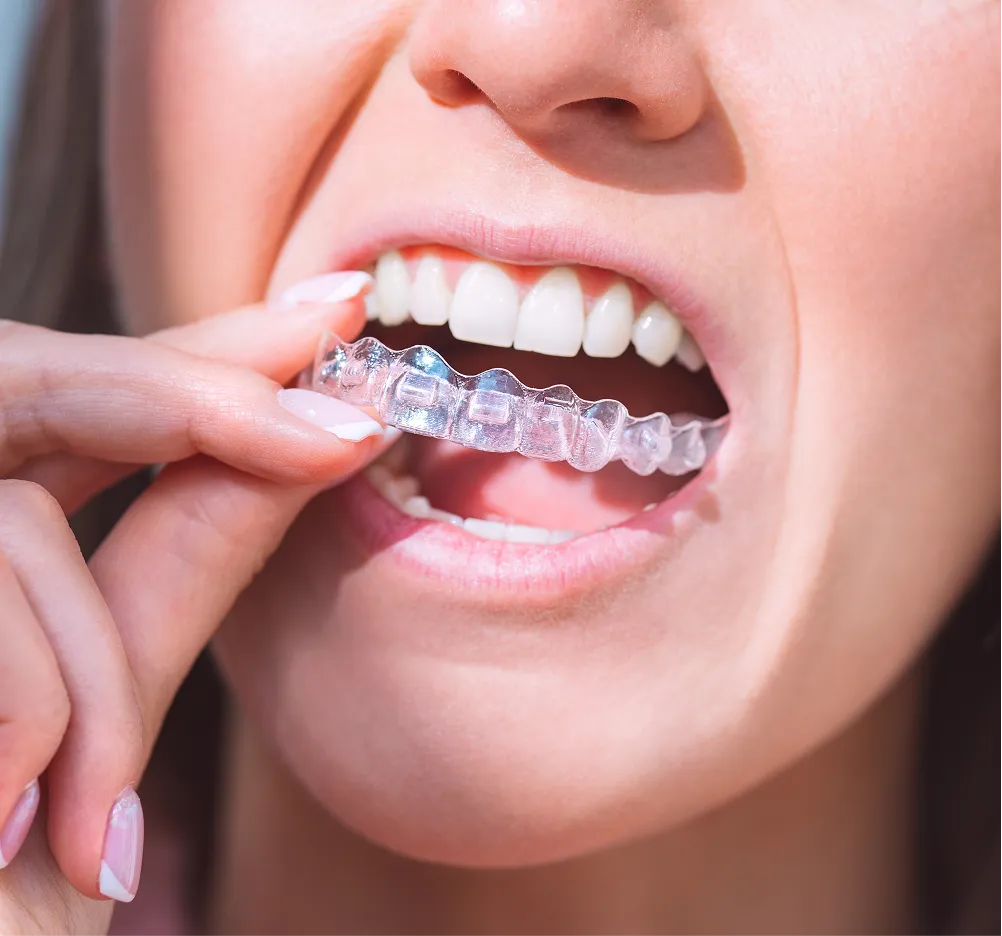
  • Oral appliance therapy: A custom oral appliance or nightguard helps reduce teeth grinding, clenching, and pressure on your jaw joints.
  • Physical therapy: Gentle jaw exercises and massage techniques help strengthen the muscles and improve mobility.
  • Eating soft foods: Sticking to soft foods like soups, yogurt, or smoothies allows your jaw to rest and heal.
  • Muscle relaxants or anti-inflammatory medications: These can help ease muscle tension and inflammation.

Advanced treatment options

  • Botox injections: Used to relax tight jaw muscles, decrease muscle tension, and provide lasting relief for chronic jaw pain.
  • TMJ treatment: Addressing temporomandibular joint disorder through targeted care that may include splints, exercises, or gentle adjustments.
  • Jaw surgery: In rare or severe cases, surgery might be recommended to repair or reposition the jaw joint.

We’ll find a plan that fits you—whether that means simple at-home care or a combination of medical treatment and professional therapy.

Why Choose New Season Dental for Jaw Pain Treatment in Westminster?

At New Season Dental, we take a personalized and compassionate approach to jaw pain treatment in Westminster. We understand that chronic jaw pain affects your comfort, confidence, and quality of life.

Here’s what makes us different:

  • Experienced team: Our dentists are skilled in diagnosing and treating TMJ disorder and other jaw joint issues.
  • Advanced technology: From digital X-rays to 3D imaging, we use the latest tools for accurate and comfortable assessments.
  • Patient comfort: We offer gentle care, sedation options, and a calm environment to reduce stress.
  • Flexible scheduling: Same-day or emergency visits are often available for sudden jaw pain or trauma.
  • Affordable care: We help patients navigate insurance and offer financing options for treatment.

We don’t just want to treat your symptoms—we want to help you find relief and regain full, pain-free jaw movement.

How to Prevent Jaw Pain

Preventing jaw pain often starts with small, daily habits that protect your teeth, joints, and muscles.

Here are some simple ways to keep discomfort away:

  • Don’t grind or clench your teeth—especially during stress.
  • Maintain good posture to reduce neck and jaw tension.
  • Eat soft foods if you notice discomfort after chewy foods or hard snacks.
  • Manage stress through relaxation, breathing exercises, or light stretching.
  • Use fluoride toothpaste and gentle brushing to protect your tooth enamel.
  • See your dentist regularly for early detection of TMJ or bite issues.

Being proactive prevents severe pain and keeps your mouth healthy and your jaw joints strong.

FAQs

What’s the difference between jaw pain and TMJ disorder?

Jaw pain is a symptom; TMJ disorder, or temporomandibular joint disorder, is the underlying cause. It happens when the jaw joints or jaw muscles become strained or misaligned.

Can stress cause jaw pain?

Yes. Stress leads to clenching or grinding, which affects the temporomandibular joints and causes chronic jaw pain.

Is jaw pain ever serious?

Sometimes. While most cases are due to dental problems or muscle tension, jaw pain can sometimes be a sign of a heart attack or sinus problems—especially if you also feel pressure in your chest or neck.

Do I need surgery for jaw pain?

No, in most cases. Surgery is usually the last resort if other treatments—like physical therapy, oral appliances, or Botox injections—don’t work.

How long does it take to recover?

It depends on the cause. Some patients feel relief in a few days, while others with TMJ disorder or arthritis may need ongoing treatment to manage symptoms.

Book Your Appointment Today!

If you’re tired of jaw pain, stiffness, or headaches, don’t wait. Relief is possible—and it can start today.

Call New Season Dental at 720-334-8779 or click below to book an appointment for jaw pain treatment in Westminster. We can help you find relief and live life pain-free.

Book Appointment