
Tooth Sensitivity in Westminster, CO


Top Rated Westminster Dentist Office

I was scared to go to a new dentist as I’ve been going to the same place since I was a child, but New Season was the perfect experience!! Everyone was so kind and friendly, and I actually look forward to my next visit. Dr. Jung was incredibly fast but thorough. Thank you to everyone who made this such an amazing and comfortable experience! :)
Kay B.
I had my first appointment today and it was a great experience. The dentist was professional, knowledgeable, and took the time to explain everything clearly. The office is modern and comfortable, and the staff was incredibly friendly and efficient. I left feeling confident about my care and happy to have found a new dental office I can trust.
Gin A.
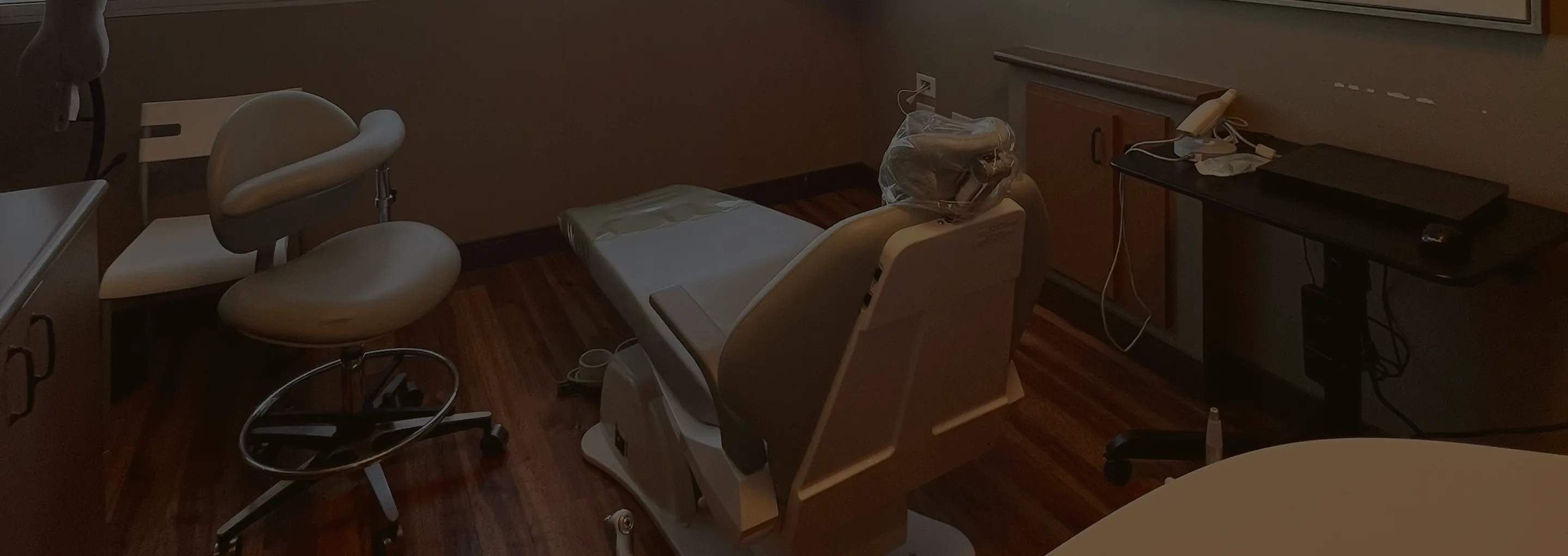
The treatment room was very clean and had large windows that gave a sense of openness. I was grateful that Dr. Jung took his time and carefully considered the best solution to fulfill my wishes. The equipment was also modern. It reminded me of the dentist in my hometown, and I felt a sense of security.
Kaoru W.
Dr. Jung is skillful, knowledgeable, explained in detail what is going on, and honest. The front desk personnel is very friendly, accommodating, and sympathetic as always. The only thing that I am not pleased of is the hygienist assigned to me. She can do better in my opinion, she is not thorough with my polishing and fluoride application, it’s a sloppy job. Otherwise I will recommend this dental office.
Aaron A.
I've enjoyed my visits to New Season Dental with Dr. Jung. He's friendly and professional. The office is new, modern, and clean. The office manager, Tina, is an absolute gem and very helpful. She makes me feel at home while I'm there. My billing has been correct each time and she makes things effortless for me. The rest of the staff are wonderful. I'm happy with my choice of going with New Season Dental.
Dereck R.
Everyone there from the receptionist to the doctor is extremely nice! The dental work I get is really good. I don’t dread going because I know I’ll get great care. I had to prepare for a trip the next day and they were able to get me in early and make my appointment super quick all because they cared that I was a little stressed! I’m so grateful and really like this doctor’s office.
McKenna K.
My Dental Insurance changed and I no longer was able to go to my dentist after 20 years. I came across Dr. Jung @ New Season Dental and I have been with them for a year now and I couldn’t be happier. Dr. Jung is very patient, explains everything and does a wonderful and thorough job. The staff is friendly and very inviting.
Linda H.
Dr. Jung is very skilled, knowledgeable and he has a gentle touch so the overall experience from exam and check-up are pleasant. You don't hear many people describe dentist appointments as pleasant. The entire staff is friendly and are happy to answer any questions. My wife and I have had a great experience. I cannot recommend him enough!
Seong H.
Dr. Jung, and everyone at New Season Dental do such an amazing job of making you feel welcome and cared for. Tina is amazing right when you walk in the door, and the entire staff is professional and courteous. Would recommend them to everyone looking for a dentist. From a simple teeth cleaning, to filling cavities, they provide the utmost care every step along the way.
Austin Enney
Tooth Sensitivity FAQs
It can be. Sometimes it’s temporary, but it can also be a sign of gum disease, enamel erosion, or a cracked tooth. Ask your dentist if it persists.
If the pain lingers even after removing the trigger or spreads deep into the jaw, your dentist may recommend a root canal to treat the tooth and nerve.
Use desensitising toothpaste, switch to a soft toothbrush, and avoid acidic foods or drinks. Consistent dental care makes a big difference.
Yes, recent dental procedures like whitening can cause sensitivity. It’s usually temporary, but if it lasts more than a few days, check in with your dentist.
Yes. The American Dental Association recommends fluoride toothpaste and fluoride products to strengthen enamel and reduce sensitivity over time.